
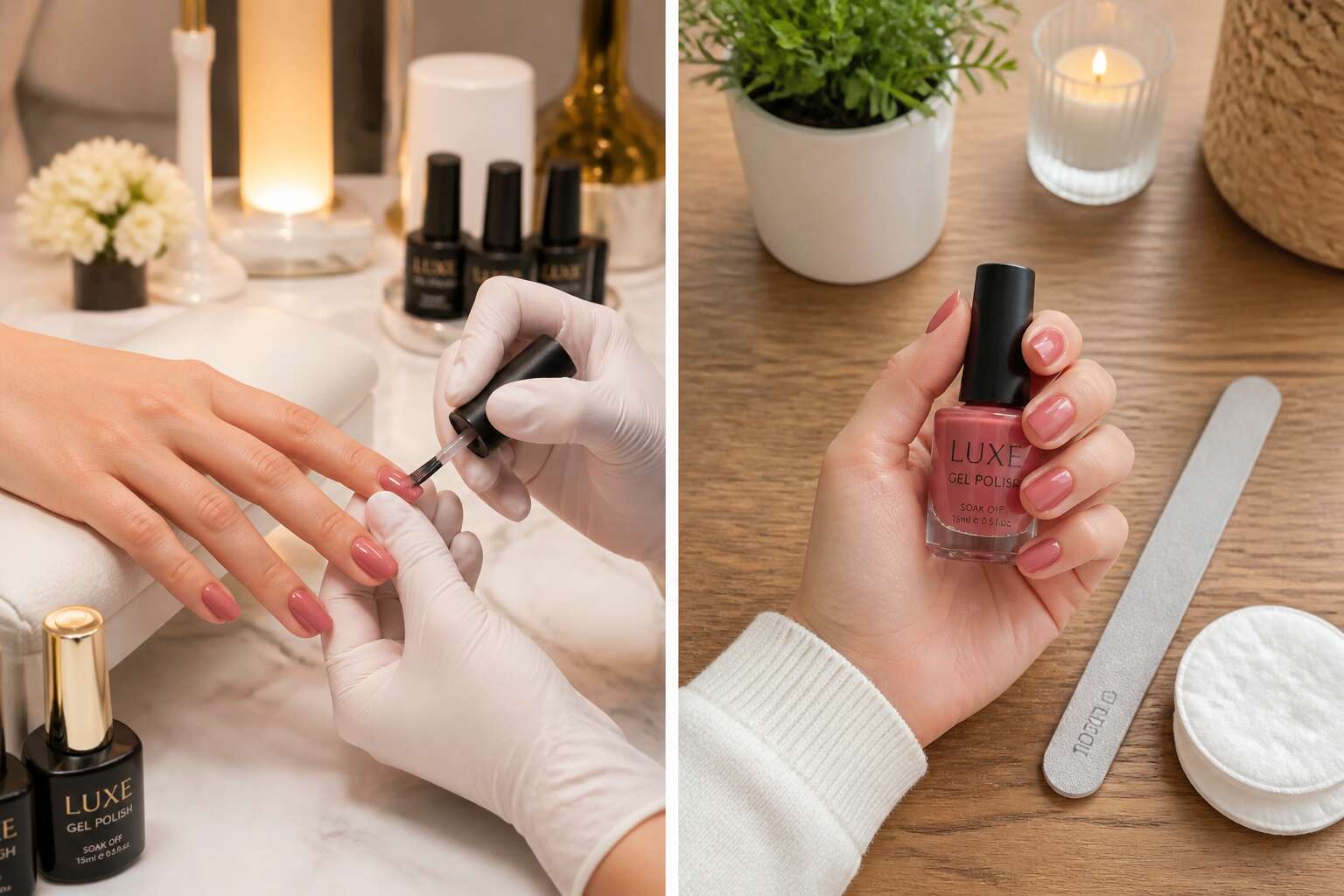
Evaluating Your Nail Care Options
Understanding Different Nail Service Providers
Choosing a nail salon or independent technician in South Africa requires more scrutiny than a glance at interior photos. The distinction between these providers often blurs, yet their operational standards differ markedly.
A dedicated nail salon or franchise typically adheres to consistent protocols, sourcing products through established supply chains. Independent practitioners, however, may offer a more personalised consultation, but their sterilisation equipment can vary. You must inspect the physical environment during your initial visit. Check for sealed tools and observe whether the practitioner washes their hands between clients.
Consider the specific service you require. Acrylic extensions demand a different skill set than a structured gel manicure. Evaluate the provider’s portfolio accordingly.
– Examine the consistency of their work across different nail shapes.
– Look for signs of product lifting in photos or on clients.
– Assess their knowledge of local fungal infection prevalence.
An honest evaluation hinges on these direct observations, not on marketing language or promotional discounts. The right provider prioritises nail health above ornamental results.
Key Factors to Weigh Before Booking
Only one in five clients requests the sterilisation record. That silence often leads to repair bills that dwarf the original manicure fee.
Your visit to a nail salon or any beauty destination should begin with a direct look around. Sniff the air. A sharp chemical odour without proper ventilation is a warning. Examine the technician’s own nails. Poorly maintained extensions reveal a carelessness that will transfer to your hands.
The following checks rarely appear in marketing material.
- Ask to see the functional expiry date of the liquid monomer.
- Verify that the dust extraction unit actually turns on.
- Confirm the autoclave tape turned colour in the last cycle.
A nail salon or mobile service that cannot produce these simple proofs does not deserve your skin. The ordinary becomes eerie when silence replaces answers.
Questions to Ask a Potential Salon
Fewer than one in ten clients asks about the salon’s liability cover. That question matters more than the polish colour. A nail salon or home-based technician should explain how they manage allergic reactions and what happens if a tool slips. Their answer reveals their standard of care.
During your consultation, listen for specifics.
- How long have you used this brand of gel?
- What is your policy on rescheduling?
- Can you describe your sanitation routine without checking a poster?
Vague replies signal trouble. Precise replies signal a professional who respects both the craft and your skin.
Red Flags and Warning Signs
An unclean brush indicates negligence before the first stroke. Your sensory perception usually alerts you before rational thought. When evaluating your nail care options, observe the technician’s hand movements. Do they pause? A nail salon or freelancer who cannot present a valid hygiene certificate on request is showing a disregard for hygiene.
- Reused cotton pads dipping into fresh polish
- No visible footbath liner for pedicures
- Tools moving between clients without a sealed pouch
That last sight should end your session. Your cuticles are not a testing ground. A lack of transparency regarding sterilisation methods remains the most telling indicator. Many reputable establishments exist, but every nail salon or mobile unit should answer with clarity, not defensiveness.
Professional Services Comparison
Classic Manicure vs. Gel Polish vs. Acrylics
Standing at the reception desk of a nail salon or a mobile beauty service, you face a simple but costly decision. The classic manicure offers a quick polish refresh, but gel polish and acrylics promise longevity. Each has a different rhythm.
- Classic manicure: about 20 minutes, chips within days
- Gel polish: cured under UV, lasts two weeks
- Acrylics: sculpted extensions, need fills every three weeks
In Johannesburg’s humid summers, gel polish resists peeling better than standard lacquer. Acrylics, however, feel weighty and can lift if applied too loosely. I have watched clients choose based on their weekly tasks, not just aesthetics. A nurse I know swears by gel for her long shifts, while a teacher prefers acrylics for their sturdy shape. The real difference shows in maintenance time and cost over a month. Booking at a nail salon or a home-based technician changes the experience too, since equipment hygiene and skill vary widely. Take a moment to feel your natural nails and think about what they will endure.
Specialty Services: Dip Powder, SNS, and Extensions
At a nail salon or a mobile studio, dip powder bonds to the natural nail with a dense, sealed layer. SNS, a popular dipping system, hardens without UV lamps and leaves a thinner finish. Extensions, built from tips or sculpted forms, change the hand’s structure entirely. Each service demands separate aftercare and different tolerance for upkeep.
- Dip powder resists chipping for three weeks or more.
- SNS creates a lighter, thinner finish, ideal for clients who dislike the weight of acrylics.
- Extensions can be shaped into dramatic lengths but require careful weekly inspections.
At a nail salon or a home-based technician, skill lies in recognising what the nail can bear. I have seen dip powder crack under rough labour, while SNS held firm. Extensions signal failure by lifting at the cuticle before you notice.
Nail Art, 3D Designs, and Customization
Few experiences rival the thrill of a freshly designed nail set, yet the choice between nail art, 3D designs, and full customization often confuses first timers. Nail art relies on thin brushes and dotting tools to produce flat, intricate scenes. 3D designs lift off the surface with sculpted gel, beads, or embedded metal, adding texture that catches light differently. Customization blends both, adjusting shape, color, and embellishment to fit a specific hand and personal routine. I have watched a client choose a subtle gold line for a wedding and later request the same motif in bold relief for a festival.
A practical comparison helps at a nail salon or a mobile studio: 1. Nail art: precise, flat, ideal for storytelling. 2. 3D designs: raised, tactile, requiring careful cleaning and protection. 3. Customization: a hybrid approach that prioritizes fit and wearability. Each service demands a different skill level and time investment, so weigh durability against visual drama. Your final choice should reflect your daily activities, not just a trending photo.
Spa Treatments and Pampering Extras
Spa treatments and pampering extras are often bundled into manicure packages without much thought. A nail salon or a day spa may offer paraffin baths, hand exfoliation, or shoulder massages. These add-ons inflate the bill, so compare them against your actual needs.
- Paraffin wax: warms and softens, but requires extra time.
- Hot stone massage: relaxing, but not essential for nail health.
- Cuticle oil treatments: beneficial for dry skin, yet easy to do at home.
A nail salon or mobile technician can upsell these services during your appointment. Decide whether the comfort and convenience justify the price. Sometimes, the basic service delivers exactly what you need without the fanfare.
How to Match a Service to Your Nail Goals
Only thirty percent of clients accurately predict which nail service will meet their needs. The rest end up with peeling, cracking, or wasted money. A nail salon or a freelance technician can offer you ten options, but your personal goals should determine the choice. Are you growing out natural nails? Then a hard gel overlay provides protection without extensions. Do you hate waiting for drying time? UV cured polish beats regular lacquer.
Before you book, map your daily habits. Typing, cooking, gardening, all place stress on different parts of the nail. Compare the service’s maintenance cycle against your schedule. A mobile specialist might suggest infills, yet you may prefer a product that lasts longer between visits. The right match becomes clear when you weigh durability, time, and cost against what your nails actually endure each week.
Home vs. Salon Care
Pros and Cons of DIY Manicures
The allure of a DIY manicure is understandable, especially when the rand is tight. Yet that home kit often harbors a silent gamble. You control the tools, but you also control the risk. A nail salon or a licensed professional offers a second pair of eyes, catching early signs of infection or damage that you would miss in your own mirror.
Consider the cost of your time and products. A DIY kit needs buying and replacing. A salon visit includes sanitation and expertise.
- Home kits: convenience, but you own the sanitation.
- Salon visits: professional sterilization, but a recurring fee.
The real question is not about price alone. It is about your willingness to accept the consequences of a mistake. A single wrong cuticle clip can spiral into a nasty inflammation, while a professional can navigate those risks with a steady hand.
Essential Home Products and Tools
Your bathroom cabinet holds a dozen half-dried polishes and a clipper that has seen better years. That is not a routine, that is a risk. The essential home tools are actually few: a glass nail file, cuticle oil, and a dependable base coat. These carry the weekly upkeep while a professional does the rest.
Here is the division of labour. A nail salon or a licensed technician offers sterilised equipment and a trained eye. Your home kit offers convenience and control. Neither replaces the other. The products you keep at home determine how long a salon manicure survives, and honestly, most of us underestimate that link.
- A crystal file with fine grit, which seals the free edge instead of shredding it
- Cuticle oil enriched with jojoba, applied before sleep
- Acetone-free polish remover, which spares the nail plate from dehydration
Own these three and a nail salon or your own sink can both deliver results. The difference is what you cannot buy at the pharmacy, which is judgement.
Step-by-Step Home Manicure Guide
I have watched women ruin their nails with cheap files. A home manicure, done correctly, is preservation. Done carelessly, it degrades the nail plate. Start by removing every trace of old colour. Use an acetone free remover, because acetone strips the lipids that keep keratin flexible.
- File the free edge with a glass file, always in one direction.
- Soak the nails in warm water for three minutes.
- Push back the cuticle with a wooden stick, never a metal one.
- Apply jojoba oil to the lunula before bed.
These steps maintain what a nail salon or licensed technician has built. But home care cannot replace the judgement of a trained eye. When the nail bed discolours or the cuticle bleeds, stop! That is not a beauty moment. That is a signal.
When to Opt for a Professional Over At-Home Care
Your nails have a threshold. At home, you can maintain the edge. But when the matrix weakens or the nail plate separates, a nail salon or a licensed technician becomes necessary. The distinction is not about luxury. It is about diagnosis.
Consider these signals that demand professional eyes:
- Discolouration under the nail
- Persistent soreness around the cuticle
- Bumps or ridges that change suddenly
Each symptom points to damage a home routine cannot interpret. I have seen clients attempt to file away a fungal stain. That action worsens the infection. A professional has microbiology training and sterilisation protocols. Your bathroom lacks both. Home care excels at preservation, but it fails at correction. When your nail structure alters without a clear cause, a nail salon or podiatrist becomes a checkpoint, not a treat.
Hybrid Approach: Combining Home Maintenance with Salon Visits
In South Africa, regular salon visitors who also practice basic home upkeep report 40% fewer breakages than those who do one or the other. That split is the hybrid approach.
Your bathroom handles daily chores: soaking, oiling, filing. The salon handles issues that need professional observation, such as onycholysis or early fungal spots. You can treat these at home only after they are identified. A home routine keeps things tidy, but it cannot tell a stain from a fungus. That distinction needs a lamp and a license.
A hybrid schedule might look like this:
- Weekly oiling and light filing.
- Monthly salon visit for cuticle shaping and nail plate assessment.
When in doubt, a nail salon or podiatrist offers the safer diagnostic path. Your home kit is useful, but it is not a replacement for professional judgement.
Time and Effort Considerations
The true cost of a beautiful nail routine is measured in hours, not rands. Home care demands a quiet half hour each week for oiling and gentle filing, a ritual that requires self-discipline. Salon visits, by contrast, ask for travel time, booking logistics, and the session itself, usually a solid hour in the chair.
Consider the effort split:
– Weekly home maintenance: 30 minutes of focused attention.
– Monthly salon visit: 60 to 90 minutes round trip and service.
Each has its own weight. A home routine is flexible but depends entirely on your consistency. A professional visit offloads the labor to someone with training and a proper lamp. When you choose a nail salon or a DIY session, the real question is what your schedule can sustain.
Budget and Value Considerations
Pricing Structures Across Salons
Pricing structures across salons are rarely a simple matter of quality versus cost. A nail salon or a home-based technician may charge the same for a basic manicure, yet the value proposition can differ. In South Africa, a premium Sandton salon might sell ambience, while a suburban spot sells longer service time. Decoding what the price covers is the real skill.
These factors often explain the difference in quotes:
– Product brand and quality
– Sanitisation and autoclave protocols
– Technician experience and training
– Time allocated per service
– Loyalty programmes or package deals
The rand amount alone rarely reflects the true worth. A cheaper service that chips in three days costs more in time and touch-ups, while a higher rate may include superior products and rigorous sterilisation. Understanding what each establishment is actually selling makes the final price secondary to the outcome.
Hidden Costs and Upsells to Watch For
A quoted price rarely tells the whole story. That R250 gel manicure may exclude the removal fee, which many South African salons charge separately. When you book, ask what happens when your nails grow out. A nail salon or home technician might add R80 for soak-off or buffing.
Upsells appear at the till. Cuticle oil, base coats, or “strengthening” serums are common add-ons. Some are worth it. Most are not.
Watch for these hidden charges:
– Nail art per finger
– Design removal
– Repair fees for broken tips
– Late arrival penalties
The real value is never the sticker price. It is what you pay after the extras land. A nail salon or mobile pro who quotes transparently gives you more than a service. They give you peace of mind.
Membership and Loyalty Programs
Loyalty programs whisper promises of discounted pampering, yet few clients read the fine print. A membership at a nail salon or franchise can save you hundreds of rands annually, but only if you actually use it monthly. Most programs offer a free waxing or gel removal after five visits, sometimes a birthday treat.
Consider how often you book before committing.
- Monthly gel clients benefit most from fixed packages
- Occasional visitors may prefer punch cards
Compare the cost per visit against walk-in pricing. Some salons calculate value as points per rand, others as a flat discount. Ask which services qualify. Nail art rarely counts.
Saving Money Without Sacrificing Quality
Value is not the same as the lowest price on the board. A R200 manicure that lifts within days costs more than a R350 service that faces the world for weeks. The true exchange happens in your pocketbook over time, not at the till. I have seen clients chase a bargain and then return for emergency repairs, which erases every rand they saved.
Quality hangs on the skill of the technician and the integrity of the products. A reputable nail salon or a home-based artist may charge differently, yet both can deliver a flawless finish when the preparation is careful and the curing is patient. When comparing a nail salon or spa, look at the whole service rather than the headline price.
- Ask which brands are used and whether they are professional grade
- Check if the price includes removal of your previous set
- Confirm that aftercare advice is offered without an extra fee
Budgeting for nails means weighing the frequency of visits against the longevity of each service. Some clients spend less by booking every three weeks, while others stretch a cheaper polish and then pay for repairs. Consider the whole picture before you commit your rands.
Insurance, Licensing, and Why It Matters
Insurance and licensing are costs that shape your final bill. A rogue technician saved R150 on your manicure, but their lack of cover leaves you exposed. In South Africa, a registered nail salon or independent artist pays for professional indemnity and health compliance. That overhead appears in the price, yet it buys your safety!
Licensing verifies training in sanitation and product handling. Insurance steps in when things go wrong, from an allergic reaction to a torn nail bed. Without both, you are accepting a risk to your hands. I have seen clients skip this check and pay for emergency care.
- Proof of liability insurance indicates a real business
- A valid license shows commitment to industry standards
Clients who ask to see these documents before treatment get a clearer sense. A legitimate nail salon or home-based operator will provide them freely. That transparency is the price of knowing who is responsible.
Health, Safety, and Hygiene Standards
Essential Sanitation Protocols for Tools and Stations
Every nail salon or spa must treat sanitation as the foundation of the client experience. A spotless station signals care before a single tool touches the skin. Tools should be scrubbed, rinsed, and soaked in hospital grade disinfectant. Metal implements require an autoclave or dry heat sterilizer for true protection. Stations need a fresh paper liner for every appointment. Towels belong in a sealed bin after one use. Consider a simple checklist to keep staff accountable:
– Wipe down all surfaces with an EPA registered disinfectant between clients.
– Use disposable files and buffers when possible.
– Label and date all sterilization pouches.
This routine is non negotiable. Without it, a nail salon or beauty bar risks more than a bad review; it risks client health. Always watch how technicians handle implements. Do they pull from a sterile pouch? Do they wash their hands first? These details matter more than polish colour. Choose a nail salon or independent artist who proudly shows their hygiene protocols. That transparency is the true luxury.
Licensing and Certification Requirements
In South Africa, the health and safety standards of a nail salon or independent nail artist are often visible before you sit down. A valid health certificate from the local municipality is the first layer. Beyond that, technicians should hold a registered qualification, such as a Nail Technology certificate from a recognised college, and complete a course in hygiene and sterilisation practices.
Ask to see their certification. Look for evidence of ongoing training in bloodborne pathogens and instrument handling. A professional will willingly show you their credentials. If they hesitate, that is a clear signal. The best salons treat these licensing requirements as a non-negotiable foundation, not a burden.
Allergic Reactions and Product Sensitivities
Every skin tells a story, and the products it touches write their own chapters. In a nail salon or home setup, allergic reactions often surface as redness, swelling, or burning around the nail bed. These signals demand attention, not dismissal. Some clients assume their discomfort is normal, but it is a biological protest against an irritant.
Hygiene extends beyond visible cleanliness. Airborne particles from filing and dust from acrylics can trigger sensitivities in both clients and technicians. The ventilation system matters as much as the sterilisation unit. A professional will monitor both without being asked.
- Methacrylate monomers in some gels and acrylics
- Formaldehyde in certain hardeners
- Toluene and dibutyl phthalate in older polishes
Each interaction alters the skin’s barrier. A patch test before any new service, especially for extensions or dip powders, is a practical necessity. Ask about the product brands and their safety data sheets. Whether you choose a nail salon or a mobile professional, the same chemical realities apply.
Signs of an Unsafe or Unprofessional Salon
The air in a negligent nail salon or mobile setup carries a particular weight. It is the smell of old monomer and stale dust, that clings to the back of the throat. Unsafe spaces do not announce themselves. They reveal their truth in the tools, in the way a technician reaches for a file without wiping it down.
Watch for the small betrayals:
– Reused cotton balls dipped into a communal pot
– Drills with visible residue at the base
– No visible autoclave or sealed pouches
– Products left open and exposed to foot traffic
A professional understands that hygiene is a constant practice. When a nail salon or home technician cannot explain their sterilisation routine, treat it as a warning. The skin will react to what the eyes might miss.
Protecting Your Natural Nails During Treatments
The natural nail absorbs product residue and moisture, making hygiene standards a direct extension of nail health. Routine disinfection of implements, fresh barriers on files, and clean linens are not decor. They prevent the microscopic damage that leads to weak, brittle, or infected nails. In any reputable nail salon or mobile setup, the same rules apply before every treatment.
Your nail plate has a protective lipid layer. Harsh scrubbing or reused solutions strip that layer away. When a technician respects that barrier, using new cotton swabs and sterilized bits, your natural nails stay supple and strong. Look for visible checks: tool packets opened in front of you, surfaces wiped with hospital-grade cleaner, and no cross-contact between clients.

0 Comments