
Understanding Ingrown Toenails
Definition and Symptoms of Ingrown Toenails – What is an ingrown toenail and common signs to watch for
Within the shadowed corridors of foot health lurks a silent torment— the ingrown toenail. This seemingly innocuous affliction can swiftly morph into a dolorous ordeal, twisting pain into a relentless specter haunting your every step. An ingrown toenail occurs when the edge of the nail pierces the surrounding skin, often spurred by tight footwear or improper trimming. The symptoms reveal themselves with a fiery redness, swelling, and a throbbing ache that gnaws at the depths of your patience.
What should you watch for? Signs are often unmistakable: tender edges, pus oozing from the affected area, and an undeniable sense of pressure that distorts comfort. If left untreated, the infection can deepen, fueling the darkness that engulfs your toe. For those seeking relief, the question lingers— can nail salon treat ingrown toenail? The answer may come from the skilled hands of professionals who understand the delicate art of healing, guiding you back from the brink with expertise and care.
Causes and Risk Factors – Activities, footwear, and health conditions that contribute to ingrown toenails
Understanding the origins of ingrown toenails reveals a tapestry woven from a variety of activities, footwear choices, and underlying health conditions. Each element subtly influences the delicate balance of your toes’ anatomy, often tipping it into discomfort. Tight, narrow shoes, for instance, exert relentless pressure on the toes, forcing the nail edges into the surrounding skin, fostering the perfect environment for ingrown toenails to develop. Similarly, improper trimming—cutting nails too short or rounding the edges—can inadvertently encourage the nail to grow into the flesh, igniting pain and inflammation.
Beyond footwear and grooming habits, certain health conditions and lifestyle factors heighten the risk. Chronic conditions like diabetes or fungal infections weaken the skin’s resilience, making it more susceptible to ingrowths. Physical activities that involve repetitive stress or trauma—such as running or hiking—can also contribute. Interestingly, some individuals are genetically predisposed, with naturally curved nails increasing the likelihood of ingrown toenails. This complex interplay of causes underscores the importance of understanding what can nail salon treat ingrown toenail effectively, especially when seeking professional care that respects the foot’s fragile architecture.
Potential Complications – Infections, pain escalation, and when to seek medical attention
Ingrown toenails, if left unchecked, can spiral into a cascade of complications that challenge even the most resilient. The searing pain often signals a deeper discord beneath the surface—an inflammatory response that, if ignored, can evolve into infections. These infections aren’t merely superficial; they can invade surrounding tissues, causing swelling, redness, and warmth that intensify with each passing day.
When the skin around the nail becomes compromised, bacteria and fungi find a fertile ground to establish themselves, transforming a manageable discomfort into a persistent threat. It’s crucial to recognize when to seek medical attention—especially if swelling, pus, or a foul odor develops. A reputable nail salon can treat ingrown toenails effectively, but only when the issue is caught early and managed with care. In more severe cases, professional intervention may be necessary to prevent escalation.
Understanding the potential complications underscores the importance of timely treatment. If you experience relentless pain or signs of infection, it’s wise to consult a healthcare professional rather than relying solely on a nail salon. Remember, while a skilled nail salon can treat ingrown toenails, they are not a substitute for medical advice when complications threaten the integrity of your toe’s health.
Nail Salon Treatments for Ingrown Toenails
Common Services Offered – Manicures, pedicures, and specialized toenail treatments
Within the tranquil sanctuary of a nail salon, healing and beauty intertwine, offering more than just aesthetic indulgence—they provide genuine relief for those suffering from ingrown toenails. Many wonder, can nail salon treat ingrown toenail effectively? The answer often lies in the specialized services designed to address this delicate issue while restoring the foot’s natural grace.
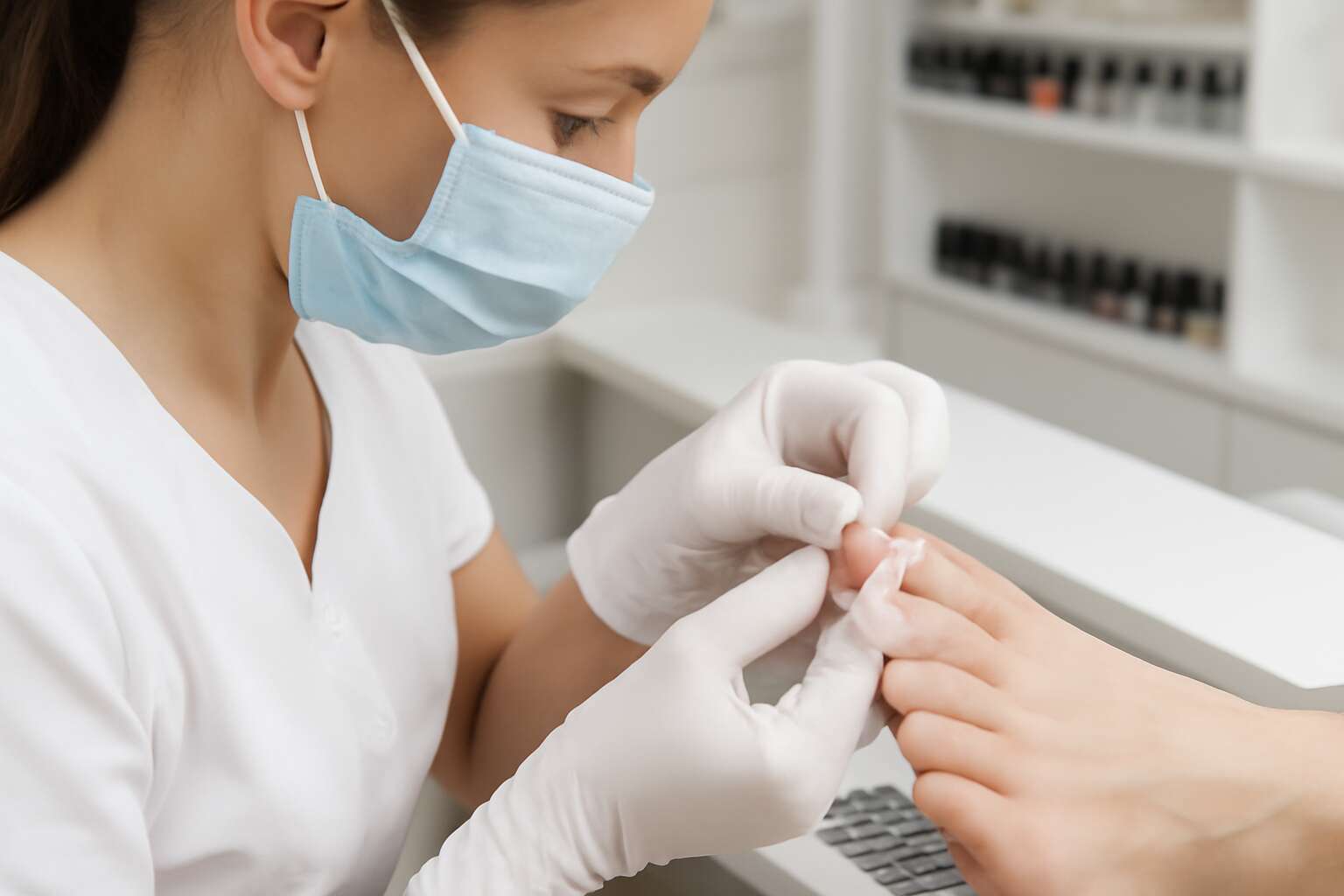
Common services offered at reputable salons include meticulously performed pedicures, which go beyond surface beauty to incorporate gentle, targeted treatments for problematic toenails. These treatments often involve precise trimming, softening of the surrounding tissue, and application of therapeutic solutions that help reduce inflammation and promote healing. For stubborn ingrown toenails, some salons also provide specialized toenail treatments, such as soak-and-soothe therapies or even minor procedures to lift the nail edge, easing discomfort and preventing recurrence.
To ensure comprehensive care, many salons incorporate a variety of techniques, including:
- Customized exfoliation and hydration treatments that improve overall nail health.
- Careful cuticle management to prevent further irritation.
- Application of medicated ointments or anti-inflammatory agents tailored to soothe and heal.
When seeking the answer to, can nail salon treat ingrown toenail, it’s essential to choose a professional with expertise in foot health. Such salons blend artistry with medical insight, transforming what might seem a minor nuisance into a manageable, even delightful, part of foot wellness. The result? A renewed sense of comfort and confidence—one step closer to walking freely on South African soils without pain or worry!
Techniques Used by Nail Technicians – Cutting methods, filing, and other procedures aimed at alleviating ingrown nails
When it comes to addressing ingrown toenails, the finesse of a skilled nail technician can make all the difference. Can nail salon treat ingrown toenail effectively? Absolutely, if the professional employs precise, targeted techniques that balance artistry with medical insight. These experts are adept at utilizing cutting methods that minimize trauma to surrounding tissue, carefully trimming the nail edge to prevent further embedding into the skin. Such meticulous care requires a steady hand and an understanding of foot anatomy, transforming what might seem a minor discomfort into a manageable condition.
Beyond simple trimming, filing plays a crucial role in shaping the nail and removing uneven edges that could worsen the ingrowth. Nail technicians often incorporate gentle, controlled filing to smooth out rough or sharp corners, reducing irritation and preventing recurrence. For stubborn ingrown toenails, some salons offer soak-and-soothe therapies—warm, medicated solutions that soften the nail and surrounding tissue—making subsequent procedures less painful. In certain cases, minor lifts of the nail edge are performed, easing pressure and encouraging proper growth.
Such procedures are complemented by specialized techniques like careful cuticle management and the application of anti-inflammatory ointments, which soothe inflamed tissue and promote healing. When considering whether a nail salon can treat ingrown toenail, it is essential to choose a professional with expertise in foot health—one who understands the delicate balance between cosmetic care and medical necessity. After all, every step taken with precision and care can restore both comfort and confidence, guiding you back onto South African soils with renewed ease and assurance.
Safety and Hygiene Standards – Importance of sanitized tools and professional training
When it comes to addressing ingrown toenails, safety and hygiene are paramount. A reputable nail salon that can treat ingrown toenails adheres to strict sanitation standards, ensuring that all tools are thoroughly sterilized before each use. This meticulous attention to hygiene not only prevents the spread of infections but also fosters confidence in clients seeking relief from painful toenail conditions.
Professional training plays a crucial role in delivering effective ingrown toenail treatments. Skilled nail technicians understand the delicate anatomy of the foot and possess the expertise to perform procedures like precise trimming, gentle filing, and minor lifts with finesse. Their ability to balance cosmetic artistry with medical insight ensures that every step taken is safe and tailored to individual needs.
Some salons go further by incorporating advanced protocols, such as using disposable tools or applying anti-inflammatory ointments, to optimize healing. For those wondering, can nail salon treat ingrown toenail? The answer is a confident yes, provided the salon maintains high standards of safety and employs properly trained professionals. This combination of hygiene and expertise transforms what could be a lingering discomfort into a quick, comfortable resolution—restoring both foot health and peace of mind.
Limitations of Nail Salon Treatments for Ingrown Toenails
When Salon Treatment Is Insufficient – Severe cases requiring medical intervention
While some minor ingrown toenails can be managed at a nail salon, there’s a limit to what can be achieved without medical intervention. Severe cases often involve persistent pain, infection, or tissue damage that cannot be addressed through standard salon treatments. Relying solely on a nail salon to treat an ingrown toenail can delay essential medical care, leading to worsening symptoms or complications.
In these instances, a professional podiatrist or healthcare provider may need to perform procedures such as partial nail removal or antibiotics to resolve the issue effectively. Nail salon treatments—like trimming or filing—are designed for cosmetic and minor therapeutic purposes but are not equipped to handle infections or significant tissue damage. It’s crucial to recognize when salon treatment is insufficient and seek medical attention promptly.
Understanding the limitations of nail salon procedures is vital. They are not a substitute for comprehensive medical care in severe cases, and attempting to treat an advanced ingrown toenail at a salon can sometimes exacerbate the problem. Always prioritize professional medical advice when symptoms worsen or fail to improve after standard treatments.
Risks of DIY or Unprofessional Care – Potential for worsening the condition or causing infections
Many people wonder, can nail salon treat ingrown toenail effectively without risking further complications. The truth is, nail salons are equipped with basic tools and techniques that are suitable for minor nail issues. However, when it comes to more serious cases, relying solely on salon treatments can be dangerous. DIY efforts or unprofessional care often lack the sterile environment and medical expertise needed to address infections or tissue damage.
Attempting to treat an ingrown toenail at home or in a salon without proper training can lead to worsened inflammation, increased pain, or even the spread of bacteria. Using improper cutting methods or neglecting hygiene standards raises the risk of developing a secondary infection, which can significantly prolong recovery or cause permanent damage. Remember, not all ingrown toenails are the same, and some require professional intervention that can nail salon treat ingrown toenail only to a limited extent.
Signs to Seek Medical Advice – Indicators that professional medical care is necessary
While nail salons can offer temporary relief for minor ingrown toenails, their ability to treat more complicated cases remains limited. Professional nail technicians are skilled in basic techniques such as gentle trimming and filing, but these methods often fall short when dealing with severe inflammation or infection. Can nail salon treat ingrown toenail? To a certain extent, yes, but only for mild cases that haven’t worsened.
Signs that indicate you should seek medical advice include persistent pain, swelling, or pus around the nail. If symptoms escalate or show no signs of improvement after a salon treatment, it’s a clear indicator that professional medical intervention is necessary. Ignoring these warning signs can lead to complications such as tissue damage or bacterial spread.
- Severe redness or swelling that doesn’t subside
- Increasing pain or tenderness
- Discharge of pus or foul odor
- Difficulty walking or wearing shoes comfortably
In such situations, relying solely on a nail salon’s limited scope of practice might do more harm than good. Remember, some ingrown toenails are best handled by a healthcare professional equipped with sterile tools and medical expertise, ensuring proper diagnosis and treatment that can prevent long-term damage.
Medical Treatments for Ingrown Toenails
When to Visit a Podiatrist – Criteria for choosing professional medical care
When pain and swelling from an ingrown toenail escalate beyond the gentle touch of a nail salon, it’s a signal that professional medical intervention is needed. While some minor ingrown toenails can be managed with care at a nail salon, there are unmistakable signs that indicate it’s time to visit a podiatrist. Persistent redness, increased warmth, or pus draining from the affected area are red flags that require more than salon treatments. Ignoring these symptoms can lead to complications, including infections or deeper tissue damage.
Choosing the right medical care hinges on recognizing these critical criteria. For instance, if the ingrown toenail is causing significant pain, or if there’s a history of diabetes or compromised immune health, consulting a podiatrist becomes essential. These professionals employ advanced techniques—such as partial nail removal or antibiotic therapy—that a nail salon simply cannot provide. Remember, attempting to treat a severe ingrown toenail at home or at a non-medical facility can worsen the condition and prolong discomfort. Trusting a qualified podiatrist ensures safe, effective treatment and prevents unnecessary risks.
Common Medical Procedures – Lifting, partial removal, or full removal of the ingrown nail
When it comes to tackling ingrown toenails, some folks still wonder, “can nail salon treat ingrown toenail?” The short answer is yes—for minor cases. But beware! While a skilled nail technician might offer relief with careful trimming and filing, there are limits to what a salon can achieve. For stubborn, painful ingrown toenails, professional medical treatments are the real heroes.
Medical procedures designed to resolve ingrown toenails include lifting, partial removal, or even full removal of the affected nail. These techniques are performed by podiatrists who have the training and tools to handle the situation safely and effectively. For example, partial nail removal involves trimming back the ingrown edge and sometimes removing a small section of the nail that’s causing trouble. In severe cases, complete removal of the nail may be necessary to prevent recurrence and reduce pain.
- Lift the ingrown edge to relieve pressure and reduce inflammation.
- Partially remove the problematic section, often coupled with antibiotics if infection is present.
- Fully remove the nail if it’s severely ingrown or recurrent, with subsequent nail regrowth carefully monitored.
These procedures are performed under sterile conditions, ensuring minimal risk of infection and faster recovery. While some might think, “can nail salon treat ingrown toenail?” the reality is that only a licensed podiatrist can perform these advanced treatments. Attempting DIY fixes or relying solely on salon care might temporarily mask symptoms but can also cause the condition to worsen, leading to more discomfort and potential complications.
Post-Treatment Care and Recovery – Managing pain, preventing recurrence, and follow-up tips
Once a stubborn ingrown toenail begins to cause persistent pain, many wonder, “can nail salon treat ingrown toenail?” While a skilled nail technician can often provide temporary relief through careful trimming and filing, they are not equipped to handle more severe cases. For those deeply ingrained or inflamed ingrown toenails, professional medical treatment is essential for proper care and healing.
Post-treatment care is crucial in managing pain, preventing recurrence, and ensuring a smooth recovery. Keeping the toe clean and dry minimizes infection risk, while over-the-counter pain relievers can help ease discomfort during the healing process. In some cases, antibiotics might be prescribed if infection persists. Follow-up appointments with a podiatrist are vital—they monitor the healing progress and perform necessary procedures like lifting, partial removal, or full removal of the affected nail if needed.
To prevent future episodes, wearing well-fitting shoes and maintaining good foot hygiene are essential. Remember, while a nail salon can assist with minor nail grooming, it’s best to seek a podiatrist’s expertise for severe or recurring ingrown toenails.
Preventing Ingrown Toenails
Proper Nail Trimming Techniques – Cutting nails straight across and avoiding rounding edges
Proper nail trimming is a crucial step in preventing ingrown toenails, especially if you’re wondering, “can nail salon treat ingrown toenail?” Cutting nails straight across with a gentle hand is the golden rule. This technique helps avoid creating sharp edges that can dig into the skin and lead to painful ingrowth. Rounding the edges might seem stylish, but it often invites trouble, encouraging the nail to grow into the surrounding tissue.
For those seeking professional help, nail salons are equipped to perform precise trimming that reduces the risk of ingrown toenails. Skilled nail technicians use specific cutting techniques and tools designed to maintain nail health. Remember, if you’re wondering can nail salon treat ingrown toenail, always opt for a reputable establishment that adheres to strict hygiene standards. This ensures your toes stay healthy and free from painful ingrowth issues.
Appropriate Footwear Choices – Shower shoes, well-fitted shoes, and avoiding tight footwear
Choosing the right footwear is an often-overlooked yet vital step in preventing ingrown toenails from taking hold. Ill-fitting shoes, especially those that squeeze or press excessively on the toes, can accelerate the problematic growth of the nail into surrounding tissue. Opting for well-fitted shoes that provide ample space for natural toe movement can make all the difference.
For added protection and hygiene, wearing shower shoes in communal areas is highly recommended. These simple, yet effective choices act as a barrier against fungi and bacteria while reducing pressure on the toes. When selecting footwear, consider these key points:
- Prioritize shoes with a wide toe box to avoid unnecessary constriction.
- Choose breathable materials that help regulate moisture and prevent infections.
- Replace tight or worn-out shoes promptly to maintain proper foot health.
By making thoughtful footwear choices, you significantly decrease the likelihood of developing ingrown toenails. And if you’re wondering, “can nail salon treat ingrown toenail,” remember that professional foot care combined with proper footwear offers a holistic approach to keeping toes healthy, pain-free, and beautiful.
Maintaining Foot Hygiene – Regular cleaning, moisturizing, and inspection
Maintaining impeccable foot hygiene is a silent guardian against the menace of ingrown toenails. When toes are kept clean and dry, the risk of infection and further complication diminishes significantly. Regularly washing your feet with gentle soap and warm water helps remove dirt and bacteria that can exacerbate ingrown toenails. After washing, thorough drying is equally crucial—moisture fosters fungi and bacteria, which can worsen the condition.
Moisturizing the skin around your nails is essential, especially if you notice dryness or cracking. A well-hydrated cuticle acts as a natural barrier, preventing bacteria from invading and causing infection. Weekly inspection of your toenails can catch early signs of ingrowth, allowing for prompt intervention before the problem spirals out of control.
When it comes to professional care, many wonder, can nail salon treat ingrown toenail? The truth is, a reputable nail salon with skilled technicians can offer relief through specialized treatments—such as proper trimming and gentle filing. But for persistent or severe cases, seeking the expertise of a podiatrist remains the best choice. Regular foot hygiene combined with expert interventions creates a formidable defense against ingrown toenails, safeguarding your feet from pain and infection.
Choosing the Right Nail Salon for Toenail Care
Aspects to Consider – Credentials, reviews, and hygiene standards
Choosing the right nail salon for toenail care can feel like navigating a minefield—except instead of explosions, you’re risking infections and unsightly outcomes. When asking, “Can nail salon treat ingrown toenail?”, it’s crucial to consider credentials, reviews, and hygiene standards. A reputable salon will have licensed technicians who understand the delicate art of toenail health and are committed to maintaining a sterile environment.
Aspects to Consider
- Credentials and professional training of staff
- Positive customer reviews and word-of-mouth recommendations
- Impeccable hygiene standards, including sanitized tools and clean facilities
Opting for a salon that prioritizes these details isn’t just about aesthetics; it’s about safeguarding foot health. Remember, a salon that neglects hygiene can turn a simple ingrown toenail treatment into a painful infection in no time. When seeking answers like, “Can nail salon treat ingrown toenail?”, make sure your chosen establishment ticks all these boxes to ensure safe, effective care.
Questions to Ask Before Treatment – Experience with ingrown toenails and sterilization procedures
Choosing the right nail salon for toenail care is a decision that should never be taken lightly, especially when it comes to ingrown toenails. Before you settle into that plush chair, it’s essential to ask the right questions about the technician’s experience with ingrown toenails. A seasoned professional will have encountered a variety of cases and will know precisely how to handle them with care and precision.
Equally important is understanding the salon’s sterilization procedures. Do they use single-use tools, or do they rely on proper sterilization techniques to prevent cross-contamination? This detail can spell the difference between a straightforward treatment and a painful infection. When you inquire, consider asking whether the staff has undergone specialized training in toenail health and if they adhere to strict hygiene standards — these are often telltale signs of a reputable establishment.
By probing into these aspects, you can confidently determine if a salon can nail salon treat ingrown toenail safely and effectively, ensuring your foot health remains uncompromised.
How to Ensure Safe and Effective Treatment – Bringing concerns and understanding treatment limits
Choosing the right nail salon for toenail care is not merely a matter of aesthetics but an essential step in safeguarding your foot health. When you ask, “can nail salon treat ingrown toenail,” the answer hinges on several critical factors. A reputable salon should have technicians with extensive experience in handling complex cases, including ingrown toenails, ensuring that your treatment is both safe and effective.
Sterilization procedures are equally paramount. Proper hygiene standards—such as the use of single-use tools or thorough sterilization between clients—reduce the risk of infections. When selecting a salon, inquire about their staff’s training in toenail health and their adherence to strict hygiene standards. These elements serve as silent indicators of a facility’s professionalism and commitment to client well-being.
Ultimately, understanding these nuances empowers you to choose a nail salon that not only beautifies but also protects your feet. It’s worth asking, “can nail salon treat ingrown toenail,” knowing that a knowledgeable technician and impeccable hygiene might be the difference between relief and further complications.


0 Comments