
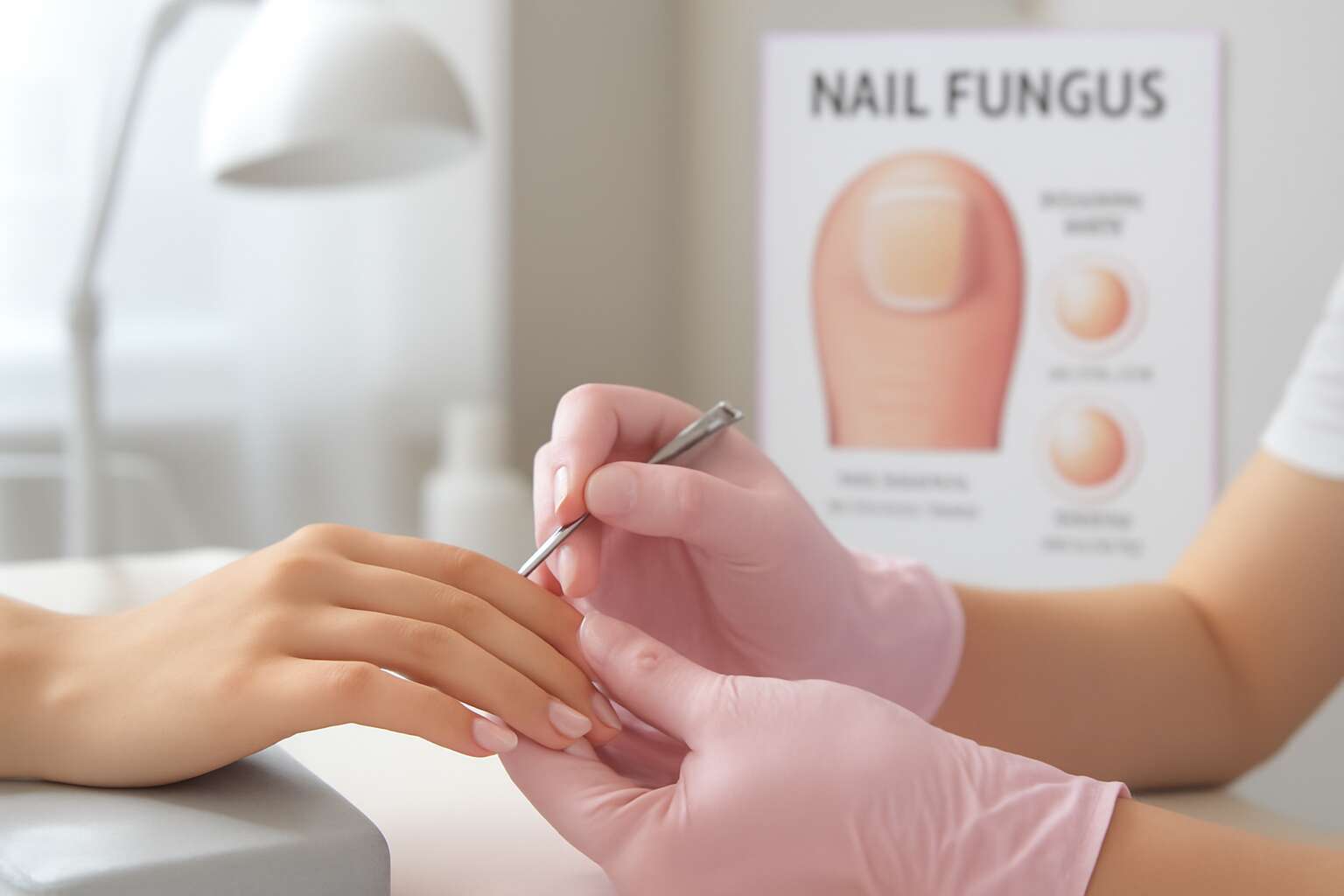
Understanding Nail Fungus and Salon Policies
What is nail fungus and how it spreads
Nail fungus is a quiet saboteur—color shifts, thickening, a subtle curl of vanity gone astray. For salons and clients in South Africa, understanding how it spreads is the first step toward safe care. People often ask will nail salon do nails with fungus and the answer hinges on policy, hygiene, and clear communication.
Fungus thrives in damp, shared spaces and can transfer via tools, cracks in the nail, or improper sanitisation. It isn’t merely a cosmetic issue; it signals a biological invader that requires proper protocol before any service.
Salon policies are built on hygiene, privacy, and safety. Here in South Africa, many studios uphold strict sterilisation, single-use implements, and transparent service policies when infection is present.
- Sterilised tools for every client
- Single-use implements only
- Refuse service with active infection
Nail health basics: signs of fungal infection
A startling statistic underlines the moment: 60% of South African clients say hygiene concerns shape which salon they trust. Nail fungus isn’t just a cosmetic nuisance; it’s a biological invader. Understanding its implications helps salons frame care that protects clients and staff alike!
Understanding nail fungus and salon policies goes beyond recipes and tools. Nail health basics: signs of fungal infection include subtle color changes, nail thickening, and occasional brittleness. In practice, salons uphold core policies, and clients often ask: will nail salon do nails with fungus?
- Sterilised tools for every client
- Single-use implements only
- Refuse service with active infection
When clients ask about safety around fungus, the answer hinges on policy, hygiene, and clear communication that keeps the conversation honest and the hands safe.
Common myths about nail fungus and salon services
Across South Africa, hygiene is currency in the beauty market—60% of clients say it dictates which salon they trust. The question will nail salon do nails with fungus surfaces often, and the answer isn’t a rumor but policy. Fungal nails are more than a cosmetic nuisance; they demand careful governance and honest conversations with clients.
To keep hands and reputations pristine, salons adhere to three guardrails:
- Sterilised tools for every client
- Single-use implements only
- Refuse service with active infection
Common myths about nail fungus and salon services persist, and a quick myth-busting helps clients navigate expectations.
- Myth: Fungus is merely a cosmetic issue that disappears with a polish
- Myth: Clean-looking chairs erase risk if the surface looks fresh
- Myth: Any salon can safely manage an active fungal nail without repercussions
Key terms to know: tinea unguium, onychomycosis, and sanitation
Across South Africa, hygiene is currency in the beauty market—60% of clients say it dictates which salon they trust. So, will nail salon do nails with fungus? Not by policy, but by principle. Fungal nails are more than a cosmetic nuisance; they demand careful governance and honest conversations with clients.
Understanding nail fungus begins with the terms tinea unguium and onychomycosis, each naming a fungal crawl that can invade nails. Sanitation remains the quiet architecture of safety, a discipline that keeps your hands and the salon’s reputation intact. In my experience, understanding these terms clarifies conversations with clients.
- tinea unguium is a fungal infection of the nail plate or bed
- onychomycosis is the broader term for fungal nail infections
- sanitation refers to sterilization and clean handling of tools and surfaces
Salon policies spell out three guardrails: sterilised tools for every client, single-use implements only, and a firm refusal of service with an active infection. These lines safeguard clients and staff while preserving the dream of elegance. These guardrails are more than policy—they are a promise to every guest who sits in the chair.
When these measures are visible—gloves on, instruments pristine, and conversations transparent—you sense a space where beauty and science move in lockstep, and your nails tell a story of care.
Will a Nail Salon Do Nails with Fungus? Policies and Realities
Typical salon policies on infected nails
Will nail salon do nails with fungus? A sharp question meets the salon floor in South Africa, where policy and care duet in quiet tension. The door opens to a rulebook written in sanitizers and signs, where cleanliness is a first language and infection is not a guest invited to the chair.
In reality, reputable studios follow a clear creed: active infections halt service until they heal or a clinician signs off. Below is a snapshot of policy in play:
- Service is paused for active infections to curb spread.
- Single-use tools and rigorous sanitization are standard fare.
- Alternative nail care options may be offered when infection is present.
Realities diverge by salon, yet the aim remains constant: safety, dignity, and crisp hygiene. The result is a careful choreography where infection is acknowledged but not exploited for drama, and clients walk away with clarity rather than compromise.
Regulatory guidelines and licensing considerations
Across South Africa, the line between indulgence and infection control is bright as a chlorinated pool. The question ‘will nail salon do nails with fungus’ often surfaces in policy briefings and front-desk conversations. Reputable studios anchor service in clear rules: infections pause work; tools are single-use, and sanitization is non-negotiable. Regulatory guidelines and licensing considerations frame every decision, from who can treat what to the products approved for sterilization. This is not drama; it is safety cast in crisp signage and meticulous procedure.
- Licensing and inspections at municipal health offices safeguard premises.
- Approved disinfectants and sterilization standards underpin every tool and surface.
- Staff training in infection control, client safety, and waste management anchors daily practice.
Thus, the policy reality in South Africa is a choreography of caution and care, where the focus remains dignity, hygiene, and professional accountability.
Risks of performing services on fungus-infected nails
In the glare of a salon lamp, safety smells sweeter than solvent and must outshine glamour. I’ve watched the line blur between indulgence and infection control, and it always comes back to care. Many South Africans battle nail fungus, yet service choices often hinge on policy.
So, ‘will nail salon do nails with fungus’? In reputable studios the answer is clear: no! Infected nails pause treatments until medical clearance and proper treatment is underway.
What to expect in a responsible studio:
- Infections pause work immediately.
- Medical clearance required before continuing.
- Single-use implements and sealed tools.
- Rigorous surface and tool sanitization protocols.
For clients, this is less about denial and more about dignity—care that respects health, not shortcuts that risk spreading infection.
Safer alternatives and accommodations some salons offer
Shine can hide a hidden risk! The common question: “will nail salon do nails with fungus” is answered with a firm no. In reputable studios, infected nails pause treatments until medical clearance and proper treatment is underway, balancing care with client safety.
In a responsible studio, policies guard health as firmly as glamour.
- Infections pause work immediately.
- Medical clearance required before continuing.
- Single-use implements and sealed tools.
- Rigorous surface and tool sanitization protocols.
For clients, the emphasis is on dignity and health, not shortcuts that risk spreading infection. Safer alternatives and accommodations exist in SA salons, including postponement until clearance and a focus on nail health education and non-contact care.
Safety, Hygiene, and Risk Management in Nail Salons
Sanitation standards for tools and surfaces
In the hush of a sun-washed studio, safety shines brighter than the gloss on a fresh coat. If you wonder will nail salon do nails with fungus, the answer hinges on vigilance, not bravado. A fortress of sanitation is built from strict screening, clean tools, and surfaces kept pristine in line with South Africa’s health standards.
Renowned technicians speak in whispers about hygiene as if it were a spell. Here are the essentials that guard every service:
- Sterilization of metal implements using approved methods
- Single-use files and buffers where possible
- Sanitizing and disinfecting work surfaces between clients
- Sealed, labeled storage for clean tools
These steps keep risk low and confidence high.
Risk management is a living practice: ongoing staff training, robust policies, and clear communication with clients about what is safe to treat. This is how salons in SA minimize risk and safeguard guests.
Client screening and infection control practices
Safety isn’t a garnish; it’s the backbone of every nail studio. A veteran tech once whispered, ‘Hygiene is the contract you keep with every client.’ In South Africa, we uphold that contract by pairing warmth with vigilance, turning the studio into a quiet fortress of care!
This question—“will nail salon do nails with fungus”—hinges on client screening and infection-control philosophy. Our studios weigh health history, recent symptoms, and exposure risks, ensuring every appointment honors safety while respecting privacy.
- Discreet screening of client health history and symptoms
- Confidential handling of health information and disclosures
- Defined transport and zones for clean instruments to prevent cross-contamination
- Clear, compassionate communication about infection risks and expectations
Beyond screening, ongoing staff training and open dialogue sustain risk management. When clients sense a culture of safety, trust follows, and the studio breathes easier.
Protective measures for technicians and clients
In South Africa, safety isn’t a garnish—it’s the backbone of every nail studio. The question will nail salon do nails with fungus—lingers at reception and in treatment rooms, forcing a blunt look at how care travels from bench to client. We pair vigilance with warmth, turning the space into a quiet fortress of trust!
Safety, Hygiene, and Risk Management hinge on discreet screening, confidential handling, and pristine instrument flow, protecting technicians and clients alike.
- Private inquiries about health history and symptoms
- Secure handling of health disclosures
- Dedicated routes for clean tools and waste to prevent cross-contamination
- Open, compassionate dialogue about risks and expectations
Beyond screening, ongoing training and open dialogue sustain risk management. When clients sense a culture of safety, trust follows, and the studio breathes easier.
Red flags and when to refuse service
In a sector where cleanliness translates into trust, hygiene isn’t optional—it’s the backbone. In South Africa, clients expect spotless routines, and a recent survey found 72% would switch salons over hygiene concerns. That brings us to the perennial question: will nail salon do nails with fungus? The blunt answer is no—safety-minded studios refuse any service that risks cross-contamination.
Safety, Hygiene, and Risk Management hinge on discreet screening and a tidy tool flow. Watch for red flags before you proceed:
- Visible active signs of fungal infection on nails or surrounding skin
- Open sores, oozing, or swelling near the nail bed
- Client reports of contagious conditions or ongoing antifungal treatment
- Reluctance to provide or update health disclosures
When red flags appear, the protocol is to pause and consider refusal. Offer safer alternatives or recommend medical clearance before service resumes. In a salon that prioritises safety, trust grows from prudent boundaries and compassionate communication.
Effective communication during a visit
In South Africa, cleanliness is the unspoken handshake that earns a client’s trust; a salon’s polish must extend beyond polish. Safety, Hygiene, and Risk Management are the trio that governs every service, shaping comfort and confidence. A discreet screening and a tidy tool flow are not luxuries but foundations.
- Sterilization between clients using certified methods
- Single-use barriers for surfaces and implements
- Clear health disclosures and updated consent
That question, will nail salon do nails with fungus, dissolves when salons foreground hygiene and cross-contamination safeguards. When teams communicate with warmth and authority, clients feel protected, seen, and reassured about the road ahead.
What Clients Should Do Before Booking a Nail Salon
How to verify a salon’s infection policy before you book
A client once told me, ‘If you can’t spell out your infection policy, I won’t book.’ In South Africa’s busy nail scene, that resolve is reshaping how I see salons, especially when feet and hands are on the line.
Before you lock in an appointment, seek clarity on licensing, sanitation routines, and how staff are trained to spot signs of trouble. A transparent approach saves time and helps protect everyone in the chair.
Ask for written policies, observe how the staff respond to questions, and note whether the salon offers alternatives when nails show fungus symptoms.
If you encounter the question ‘will nail salon do nails with fungus,’ you want a firm, empathetic stance and a clear plan to refuse or direct you to safer options.
What to disclose and what documentation helps
South Africa’s nail scene hums with color and caution—millions of services a year, and a single lapse in hygiene can ripple across chairs. In this climate, clients often ask the hard question: will nail salon do nails with fungus.
Before you book, prepare a health snapshot and decide what to disclose. Be ready to share any current symptoms, prior diagnoses, and medicines that affect nail or skin health. Documentation helps: a doctor’s clearance if a fungal diagnosis exists, recent nail photos, and a concise allergy or medication list.
- Doctor’s note or medical clearance for conditions affecting nails
- Recent photos showing the nail appearance and symptoms
- List of medications, allergies, and skin conditions
Also request written policies on infection control and sanitation, and observe staff responses for transparency. A salon that can present clear policies and alternatives if infection signs are detected saves time and protects everyone in the chair.
Pre-appointment self-care to minimize risk
Across South Africa, millions flock to nail studios each year, and a single lapse in hygiene can ripple through chairs and conversations. A common question lingers in the air: will nail salon do nails with fungus. Before you book, take a quiet moment to assess your own nails and health landscape, so you’re prepared to share honestly if asked.
Pre-appointment self-care to minimize risk includes gathering a health snapshot and noting the day-to-day realities of your nails. Consider these prompts:
- Current symptoms visible on nails or skin
- Any previous diagnoses and medicines that affect nail health
- Allergy history and products you react to
These reflections help you navigate the conversation with clarity and set expectations for the salon’s infection controls and policies.
Exploring safe service options if infection is present
Across South Africa, busy nail studios bustle along malls and coastal promenades, each promising polish and pampering. You might wonder: will nail salon do nails with fungus? Before you book, pause to assess your nails and health landscape—quietly note symptoms, meds, and any allergies. A clear, honest briefing sets expectations for infection controls and salon policies.
Consider these reflections:
- infection-control policy clarity
- proof of sanitation standards and tool handling
- flexibility for safer service options if infection is present
These considerations foster confident conversations and clearer expectations.

0 Comments